Loading...

ABOUT DIY-STEAM

Real Skills Through Real Projects

DIY-STEAM is a hands-on extracurricular learning program offering engaging workshops where young builders explore Science, Technology, Engineering, Arts, and Math by designing and building real projects. Instead of following step-by-step kits, they work from the ground up — understanding how systems function, why they work, and how to improve them. Every session is active, creative, and fun, turning complex ideas into something they can see, test, and enjoy.

Each project builds practical skills in problem-solving, mechanical design, electronics, and programming. As students grow, they take on larger capstone challenges that integrate multiple concepts into complete engineering builds. The result is confidence, competence, and curiosity that extends beyond the classroom.

Hands-on engineering builds

Structured skill progression

Standalone & capstone projects

Real-world problem solving

Age-appropriate challenges

Supportive, small-group environment

NOT JUST ASSEMBLY

Most STEM Classes Follow Instructions.

We Build Real Systems.

Most STEM Classes

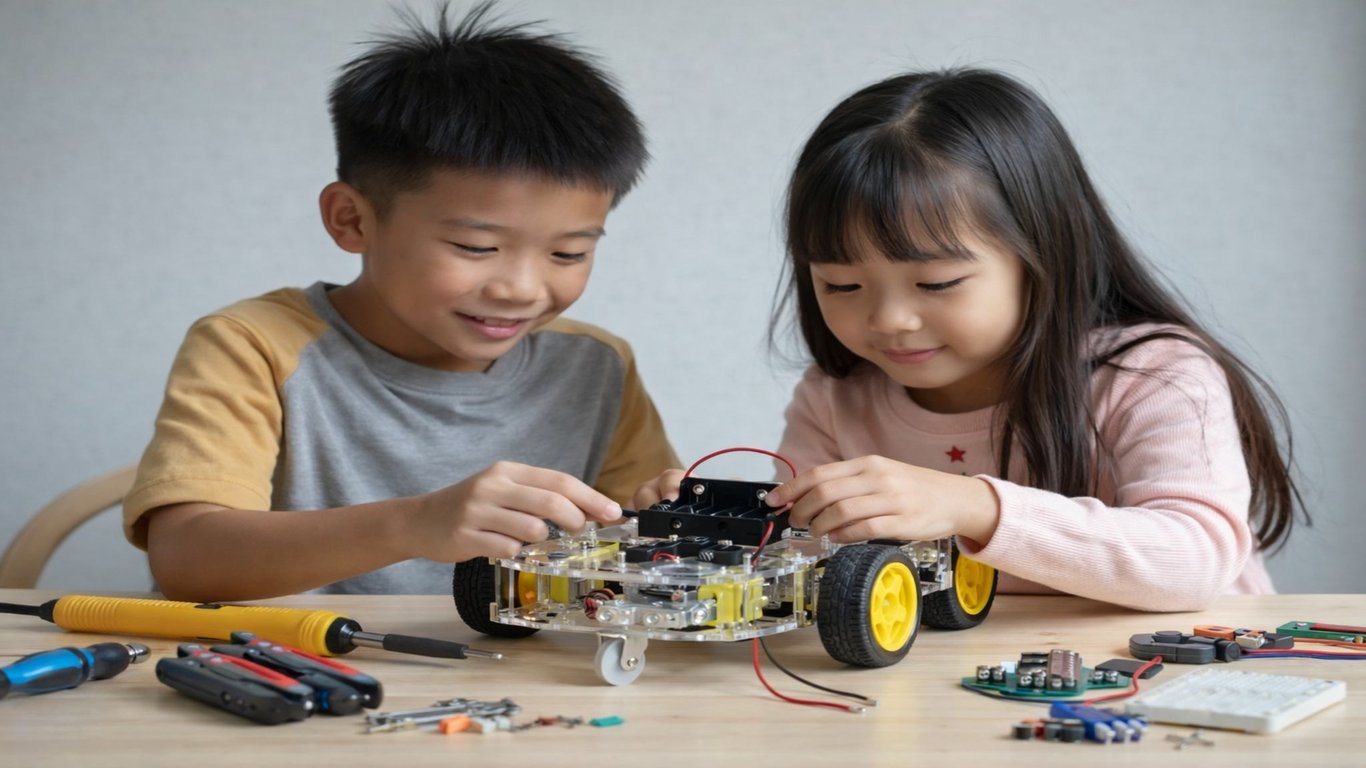
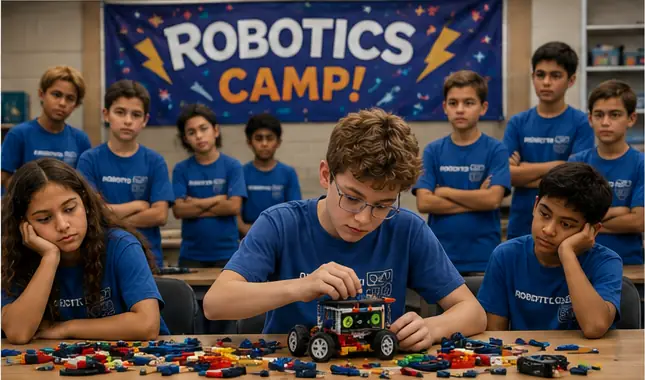
Typical robotics class assembling kits

Following Instructions

  • Pre-designed snap-in kits
  • Assembly from instructions
  • No understanding how systems work

DIY-STEAM Projects

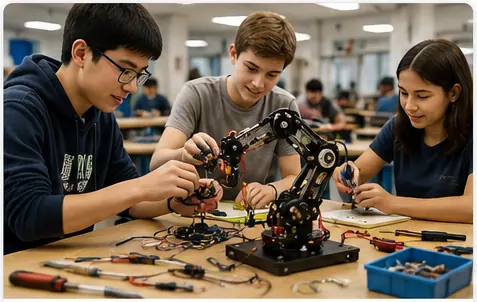
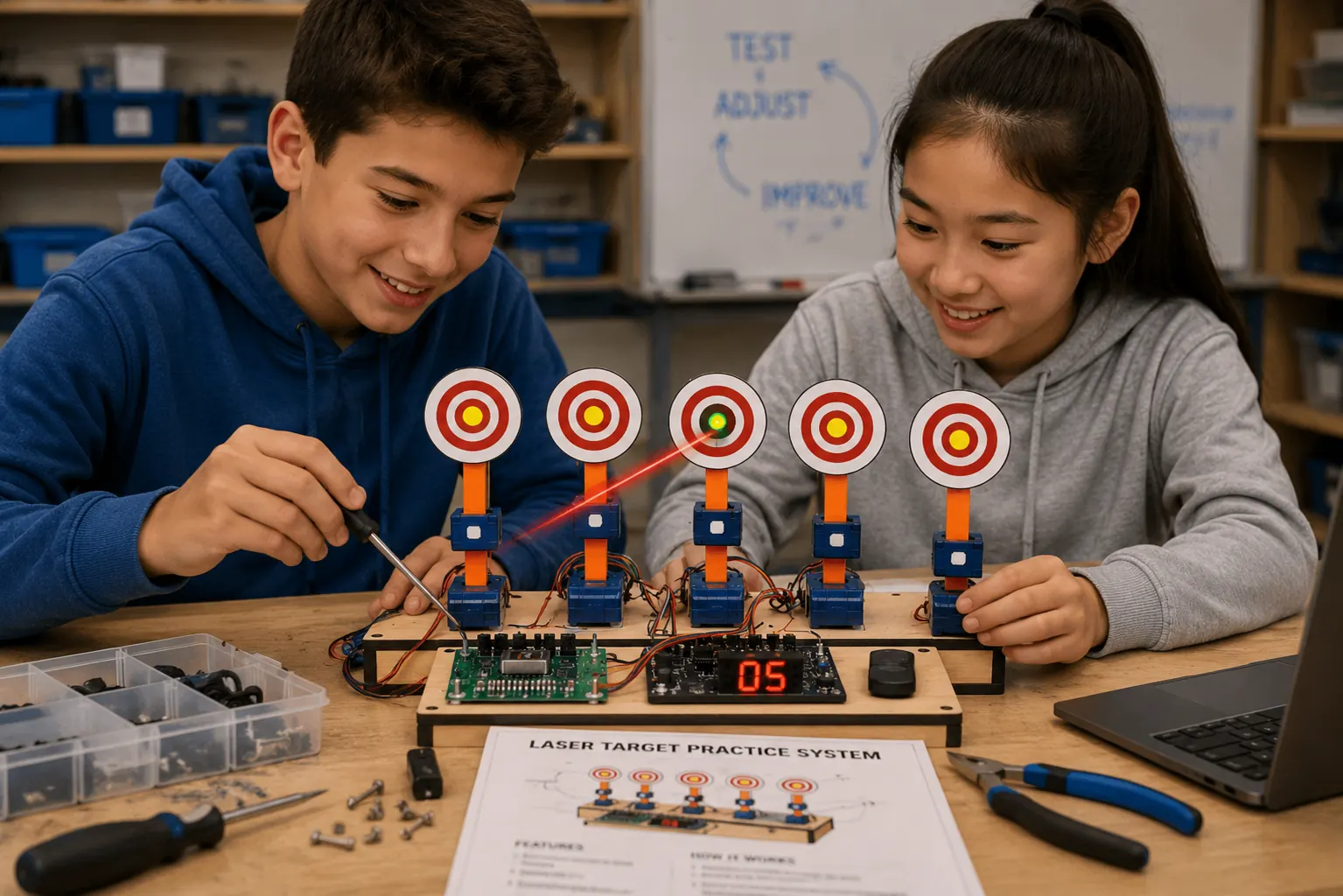
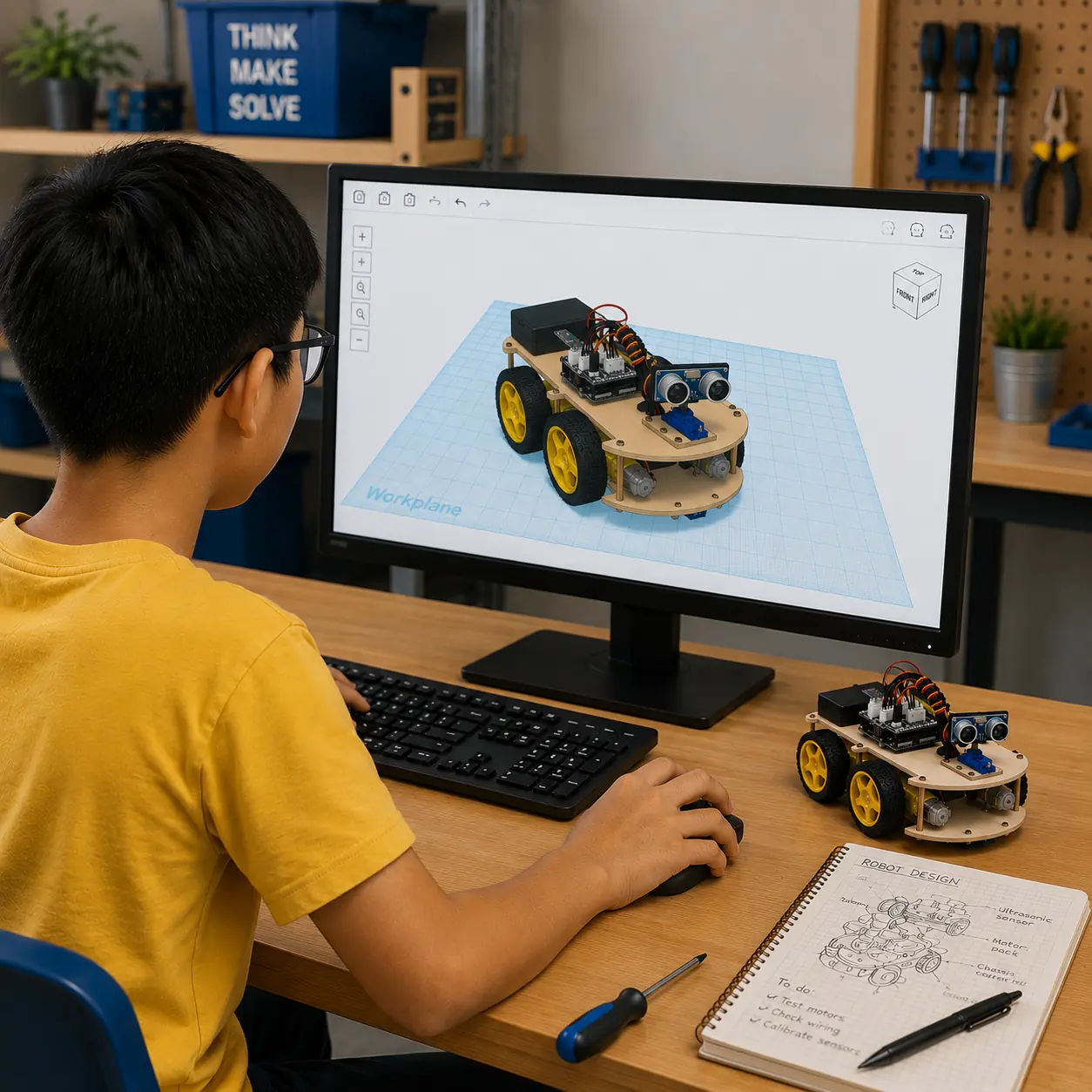
Hands-on robotics and electronics systems being built and tested

Design • Build • Test • Improve

  • Maker-built mechanisms and systems
  • Sensors, actuators, and programming working together
  • Real problem solving
Hands-On Workshops

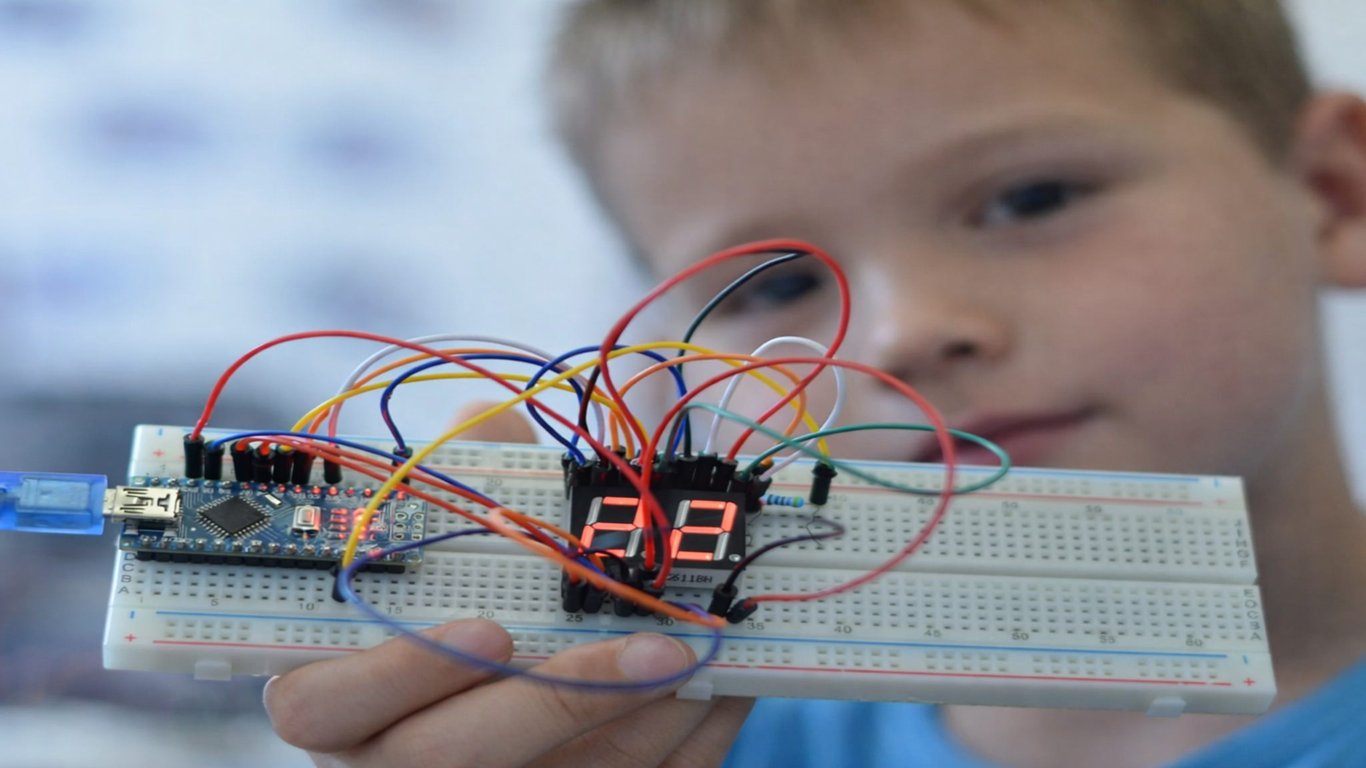
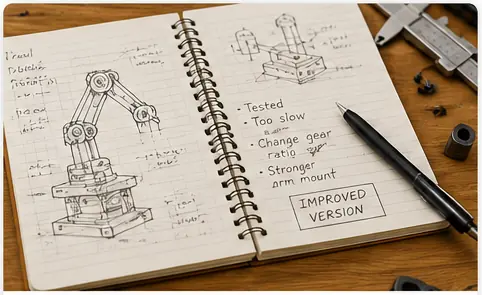
Design, fabrication, wiring, programming, and testing real engineering systems in focused, small-group workshop sessions. Projects evolve through cycles of building, measuring, debugging, and refinement — developing both technical skill and engineering judgment.

Hands-On Workshops
Progressive Skill Paths

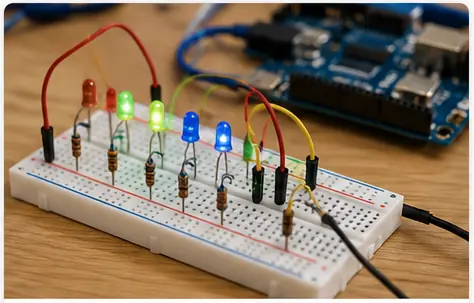
Foundational standalone builds develop specific technical skills — from circuitry to motion systems to programming logic. Capstone projects then integrate those competencies into complex, multi-domain engineering systems, reinforcing how individual parts work together.

Progressive Skill Paths
Real Tools. Real Systems. Real Understanding.

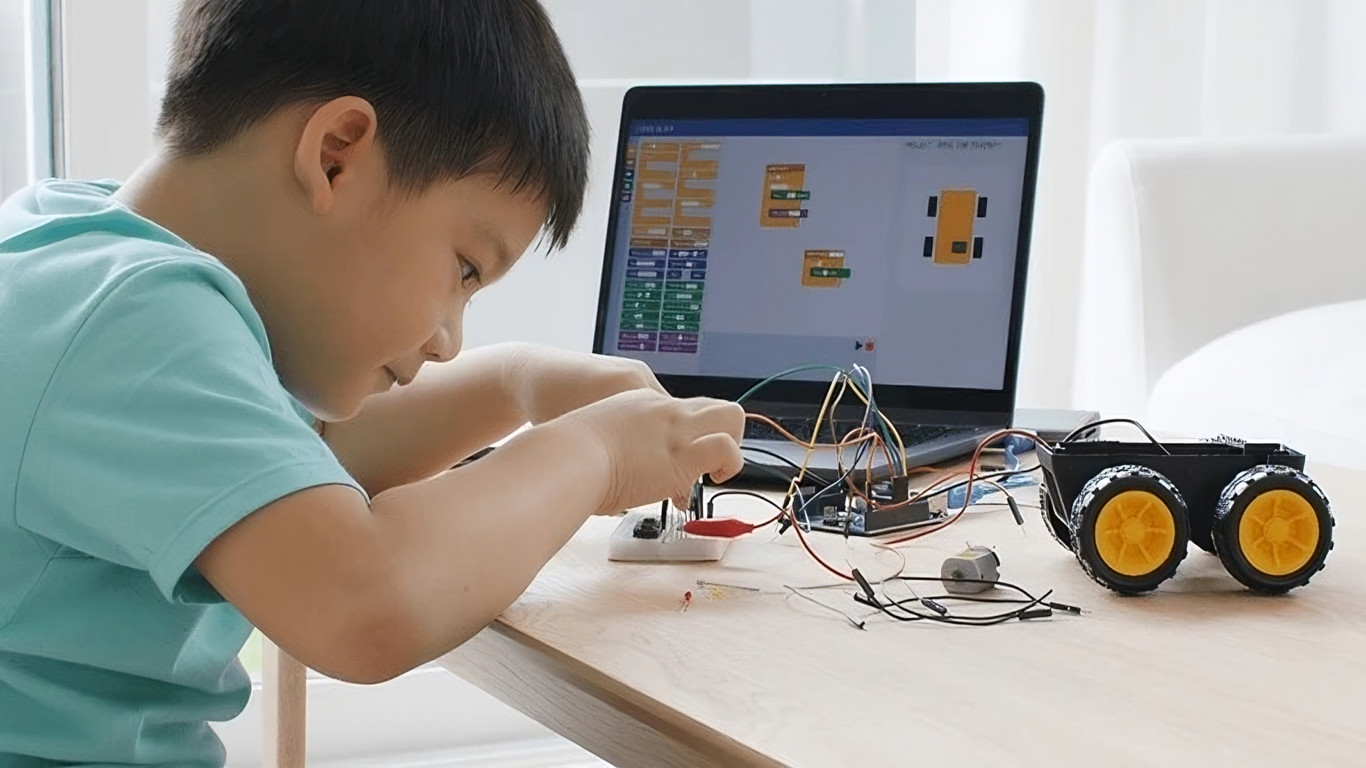
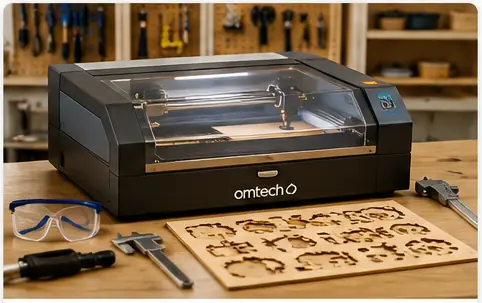
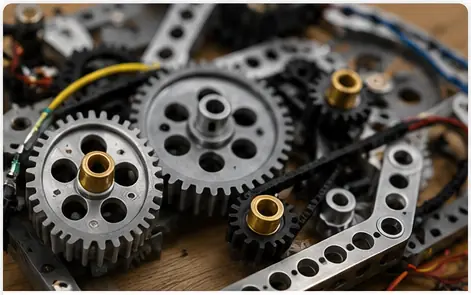
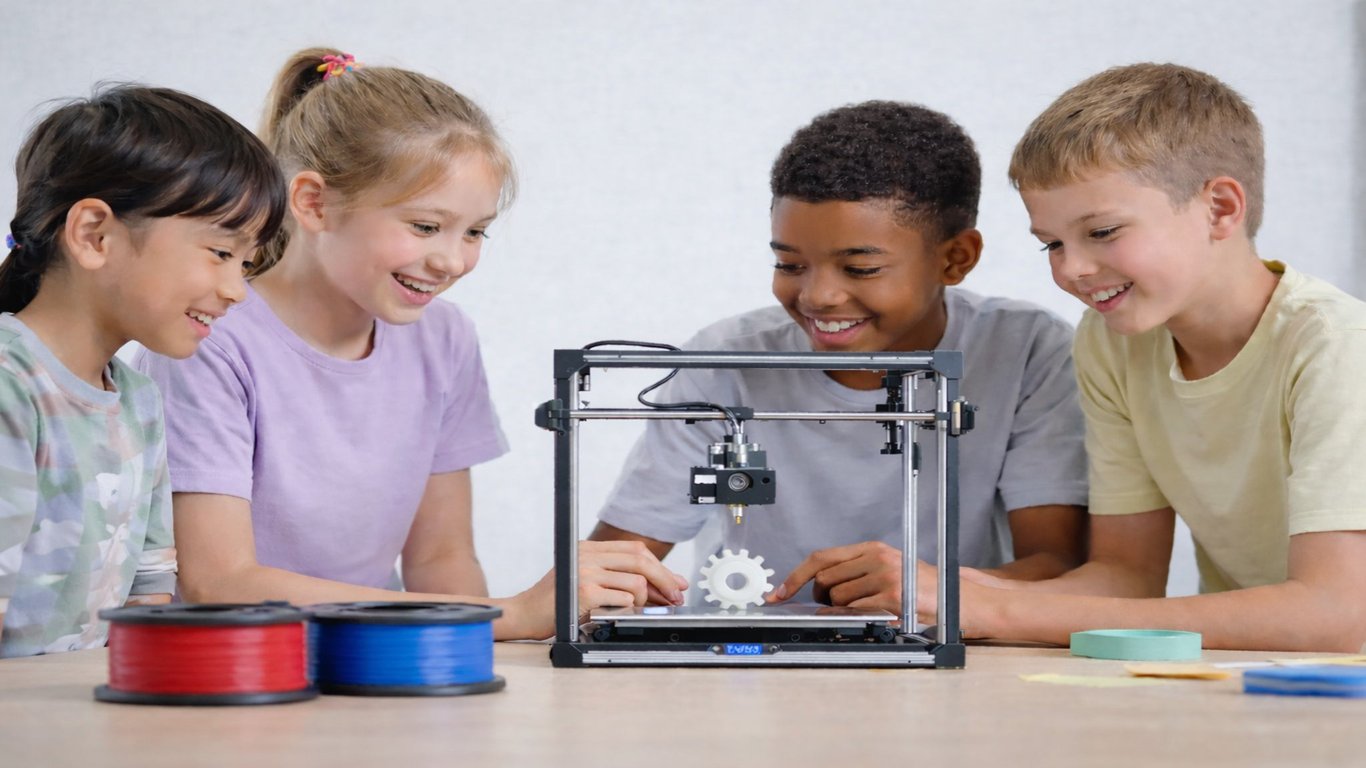
Professional design software, foamboard fabrication, 3D printing, electronics, soldering, and microcontroller programming to build complete engineering systems — developing a clear understanding of how every component functions within the whole.

Real Tools
Capstone Challenges

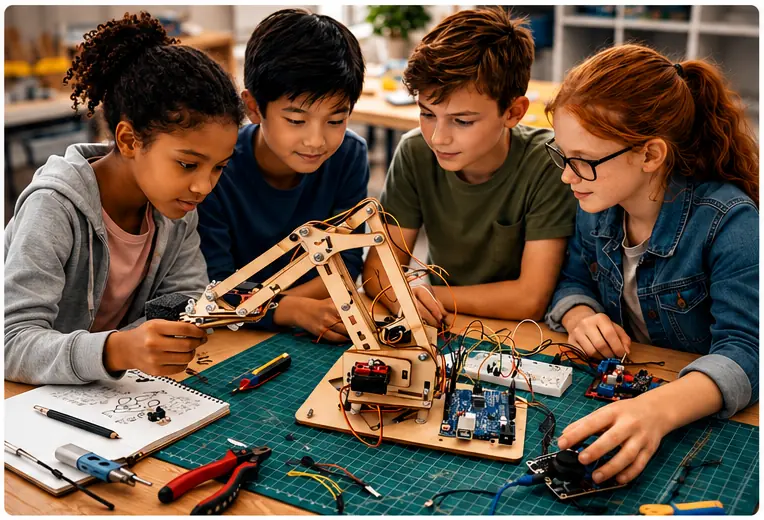
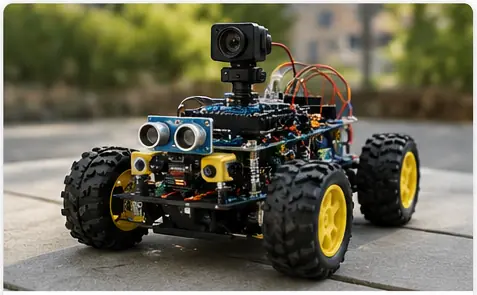
Following focused standalone builds, fun capstone projects combine mechanical design, electronics, and programmable control into complete engineering systems. Independent subsystems — structure, motion, power, and logic — are engineered to function as a unified whole.

Capstone Challenges

APPROACH: HOW IT WORKS

DIY-STEAM Approach
PROJECT-BASED
PROGRESSIVE
PLAYFUL

A Project-Based Learning Model

We use a structured Project-Based Learning (PBL) model that develops real skills through hands-on building. Projects are age-appropriate and designed to build step by step — starting with focused standalone builds and progressing toward larger capstone systems.

Projects can be taken à la carte as standalone for exploration and fun, or completed as skill-building prerequisites that prepare learners for larger capstone challenges.

As skills grow, capstone challenges bring mechanics, electronics, and programming together into complete working builds. Each stage prepares for the next, creating a clear and purposeful learning path.

This program does not replace school — it strengthens it. Classroom concepts become clearer when applied to real projects. Learners explore ideas that may seem advanced on paper but make sense when built and tested.

There are no exams or grades — just structured, hands-on learning through designing, building, testing, and improving.


Projects

Standalones Projects for

Select a theme above to load its projects.

No projects are mapped to this theme yet.
Testimonial

Our Students Say!