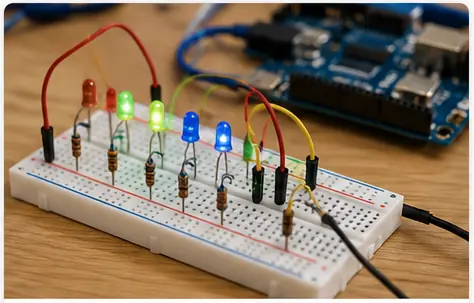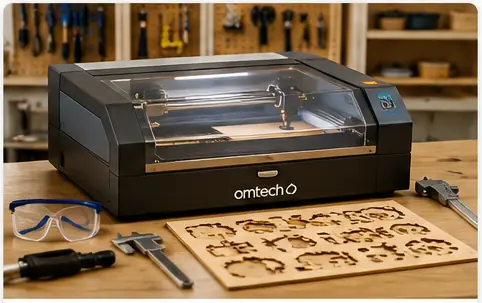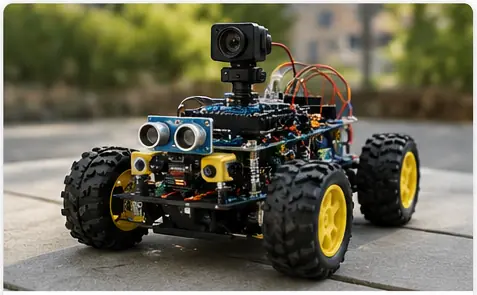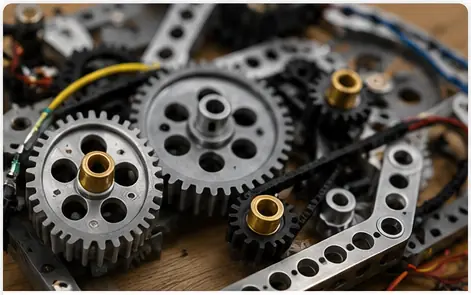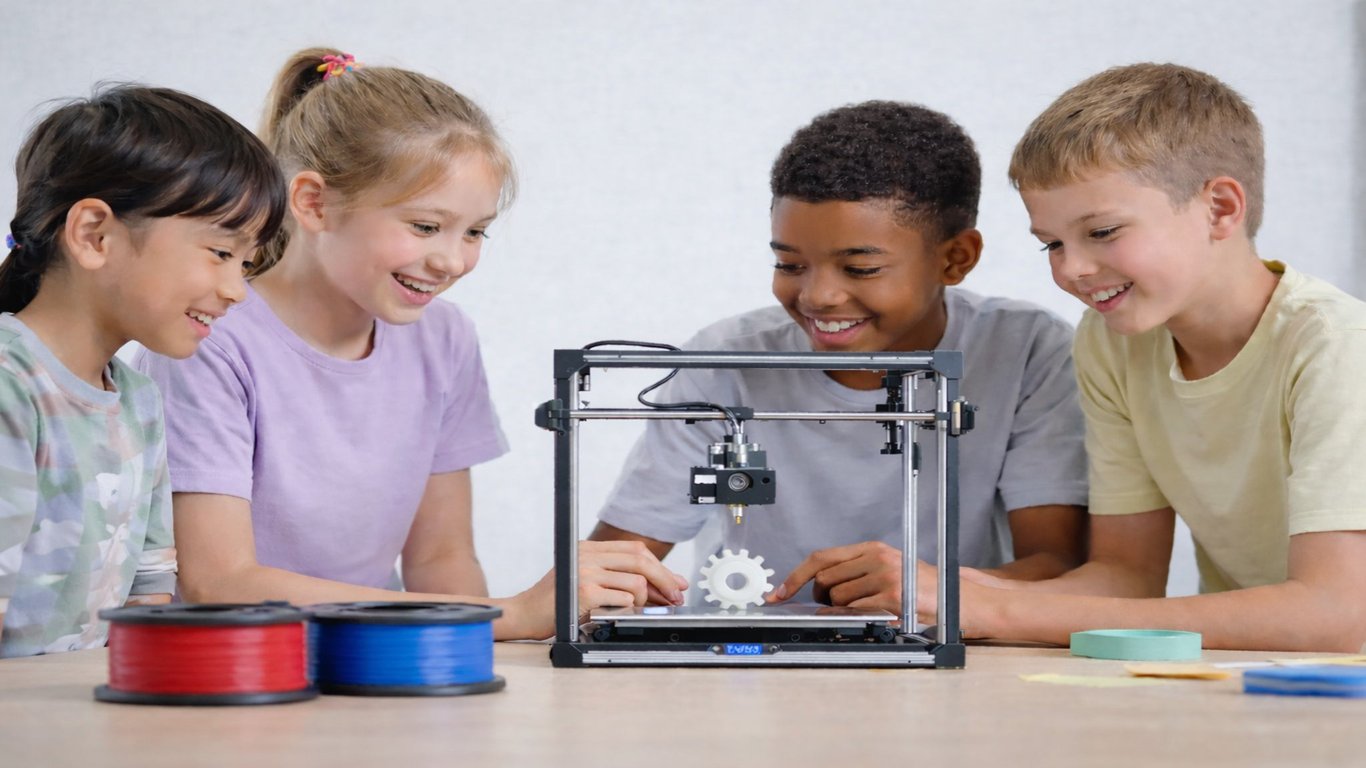
Students design, build, test, and improve real STEAM projects from the ground up building confidence and curiosity
I'm Interested Explore Projects
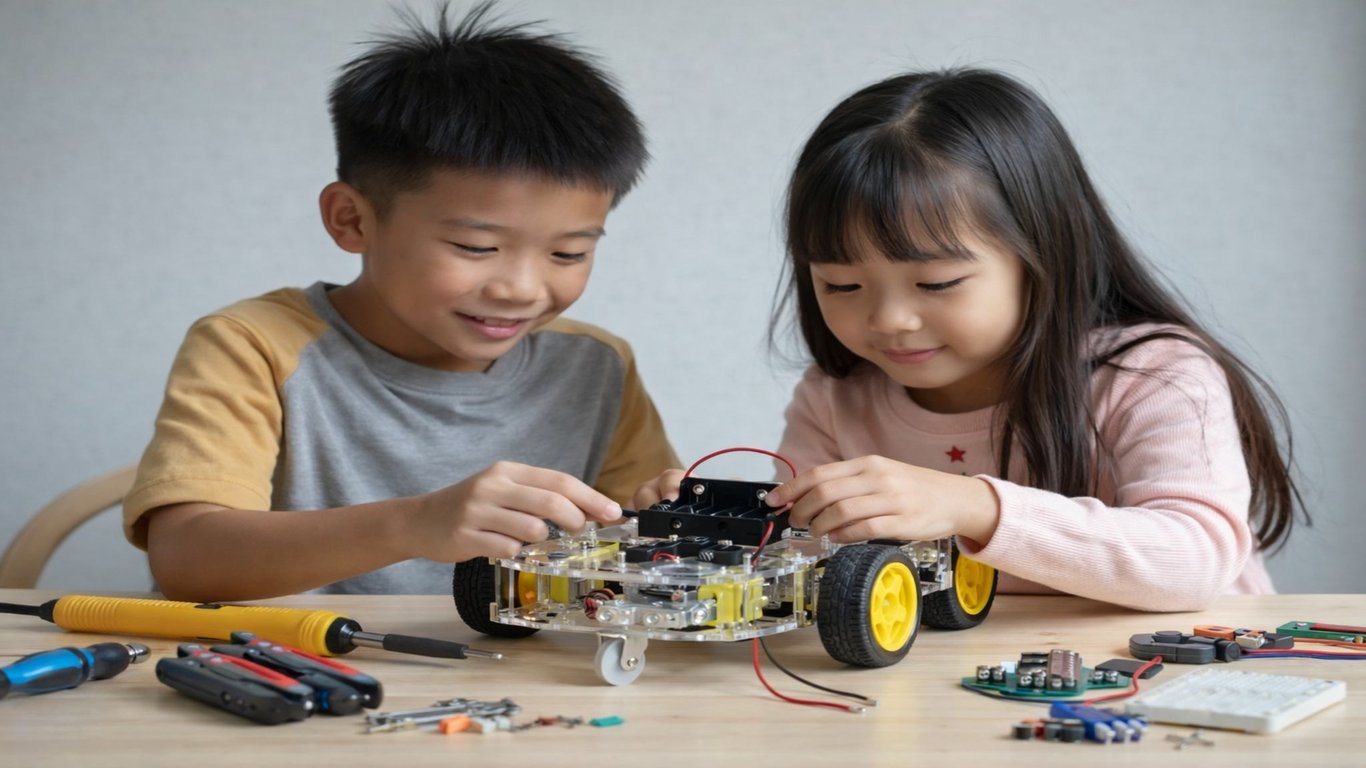
Standalone projects develop focused skills, while capstone challenges bring everything together into larger engineering builds.
I'm Interested Explore Projects
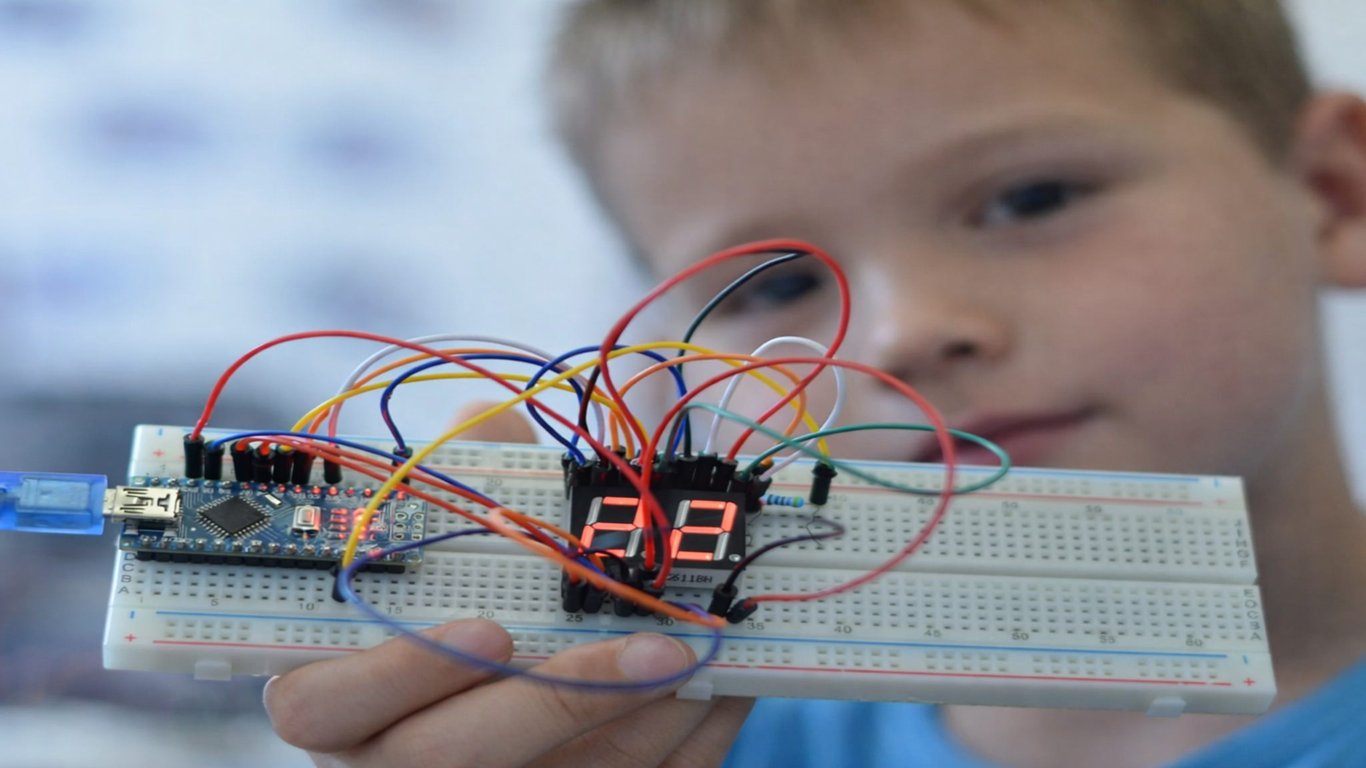
Instead of simply assembling kits, students learn how systems truly work — through creativity, problem-solving, and experimentation.
I'm Interested Explore Projects
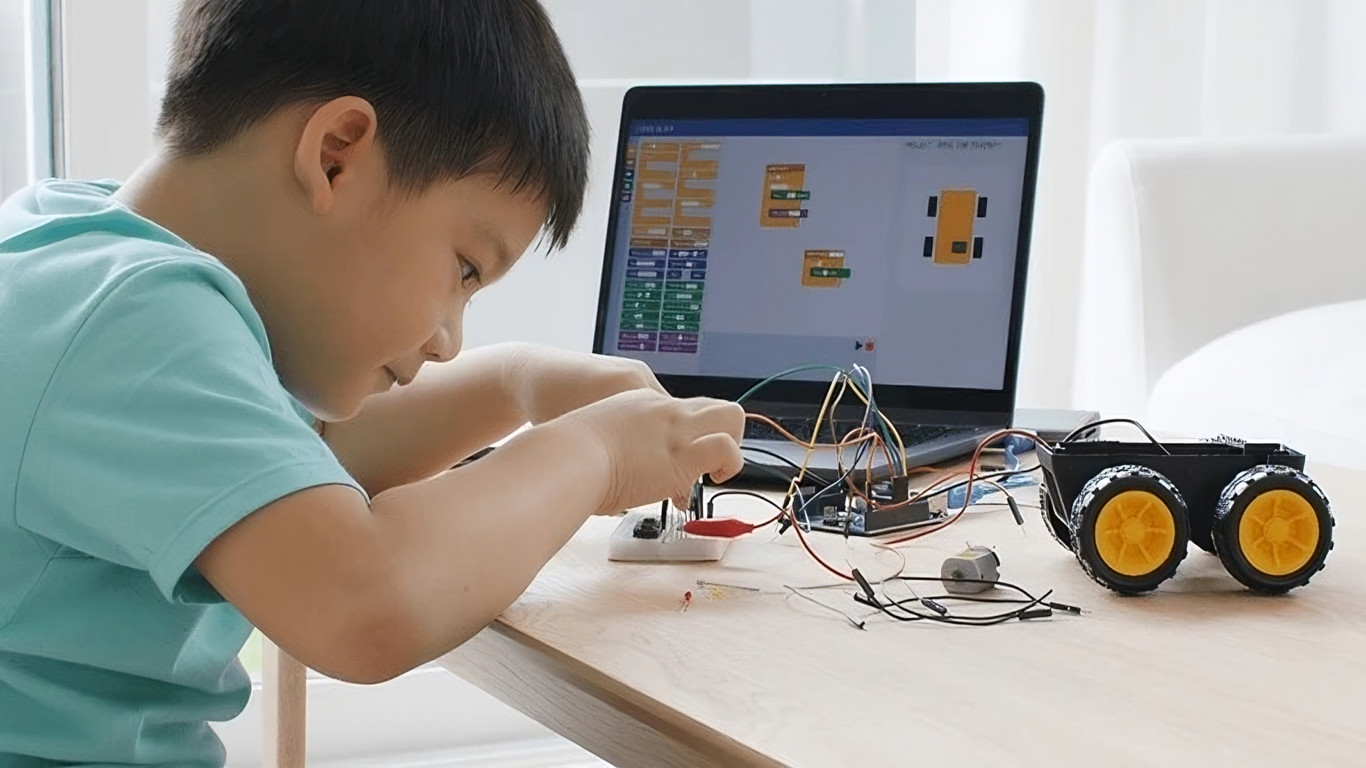
After-school series, weekend workshops, and summer intensives available.
I'm Interested Explore Projects
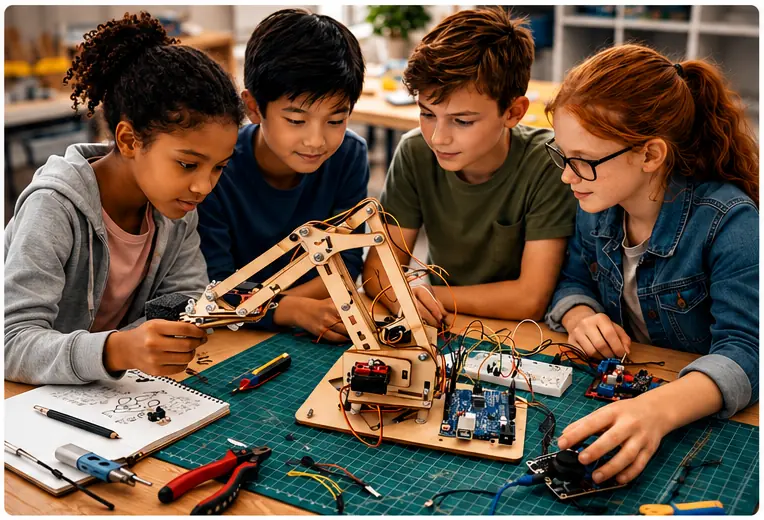
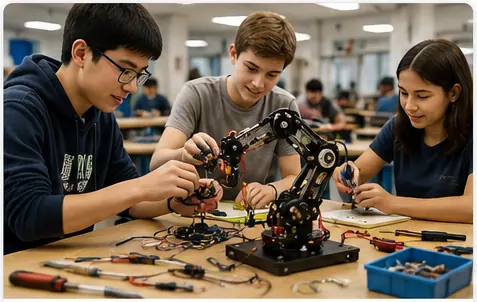
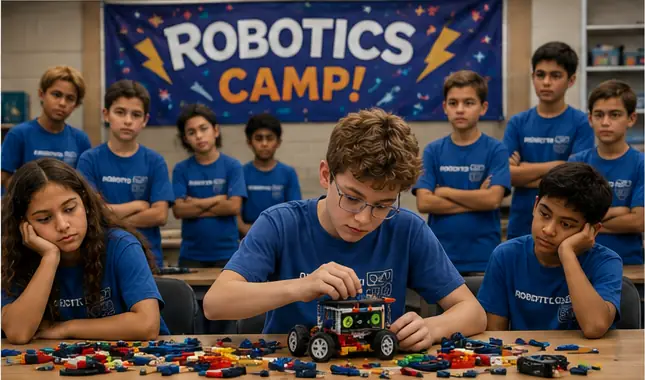
DIY-STEAM is a hands-on extracurricular learning program where young builders explore electronics, programming, design, mechanics, and real-world problem solving by building real projects.
Instead of following step-by-step kits, learners work from the ground up — understanding how systems function, why they work, and how to improve them.
Each project builds practical skills in problem-solving, mechanical design, electronics, and programming. As learners grow, they take on larger capstone challenges that integrate multiple concepts into complete systems.
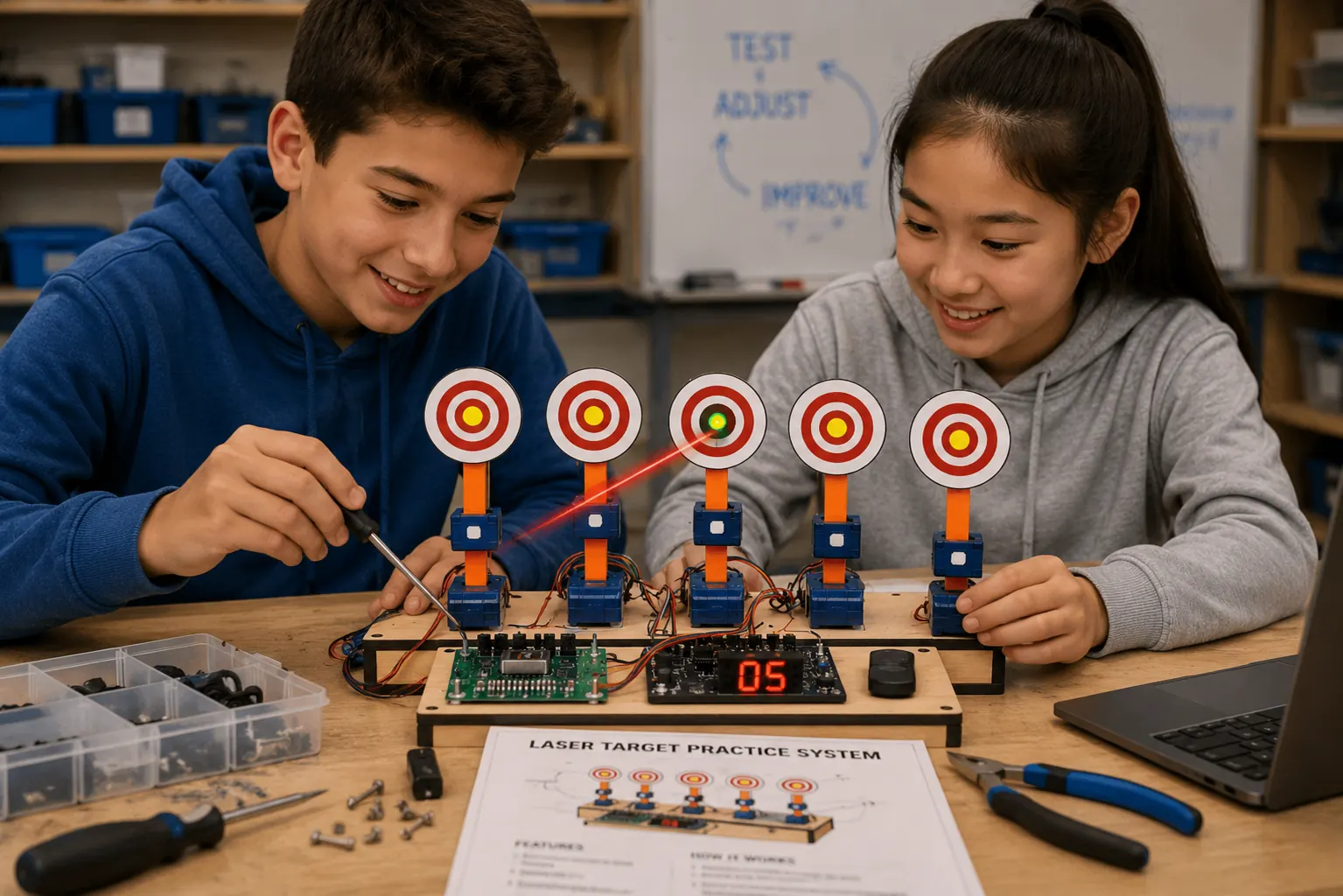
Build, test, and refine real projects through focused workshop sessions.
Projects build skills step-by-step — from circuits and motion to programming and control.
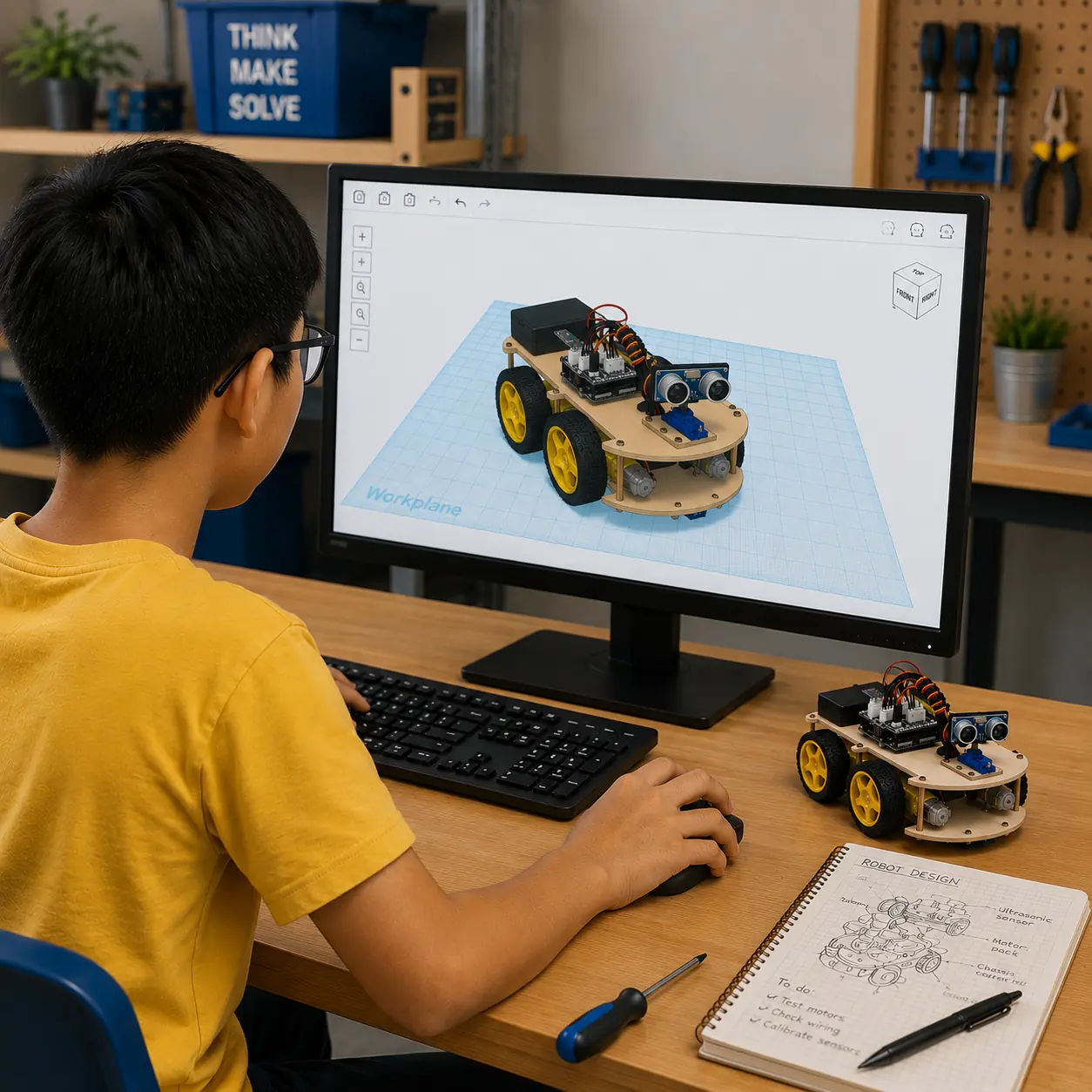
Use electronics, fabrication tools, programming tools, and real building materials.
Bring multiple systems together into complete, interactive builds.
Learn how mechanics, electronics, and code work together.
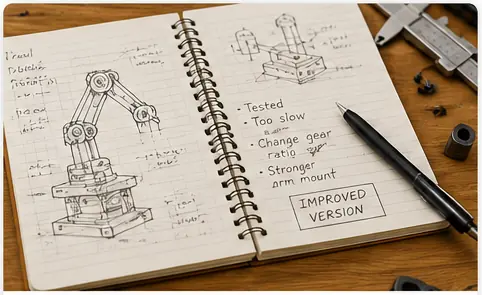
Troubleshoot, refine, and improve designs through iteration.
Learners don't just follow kit instructions.
They design, build, test, and improve working systems.
Follow Instructions
Design • Build • Test
We use a structured Project-Based Learning (PBL) model that develops real skills through hands-on building. Projects are age-appropriate and designed to build step by step — starting with focused standalone builds and progressing toward larger capstone systems.
Projects can be taken à la carte as standalone for exploration and fun, or completed as skill-building prerequisites that prepare learners for larger capstone challenges.
As skills grow, capstone challenges bring mechanics, electronics, and programming together into complete working builds. Each stage prepares for the next, creating a clear and purposeful learning path.
This program does not replace school — it strengthens it. Classroom concepts become clearer when applied to real projects. Learners explore ideas that may seem advanced on paper but make sense when built and tested.
There are no exams or grades — just structured, hands-on learning through designing, building, testing, and improving.
Select a theme above to load its projects.
Profession
Tempor erat elitr rebum at clita. Diam dolor diam ipsum sit diam amet diam et eos. Clita erat ipsum et lorem et sit.
Profession
Tempor erat elitr rebum at clita. Diam dolor diam ipsum sit diam amet diam et eos. Clita erat ipsum et lorem et sit.
Profession
Tempor erat elitr rebum at clita. Diam dolor diam ipsum sit diam amet diam et eos. Clita erat ipsum et lorem et sit.
Profession
Tempor erat elitr rebum at clita. Diam dolor diam ipsum sit diam amet diam et eos. Clita erat ipsum et lorem et sit.